
The 2026 winners of the Hagley Prize in Business History are 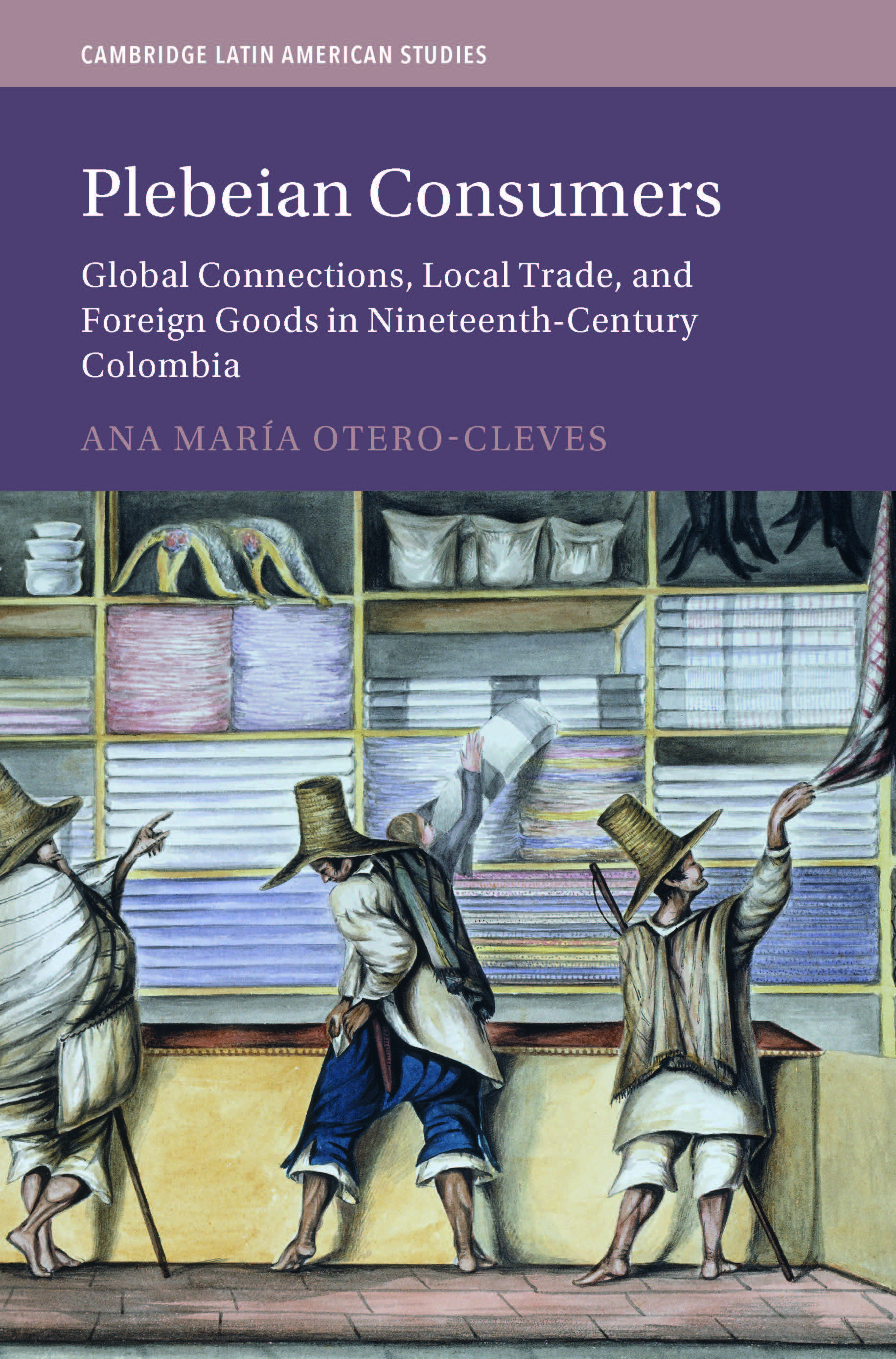 Ana María Otero-Cleves’ Plebian Consumers: Global Connections, Local Trade, and Foreign Goods in Nineteenth-Century Colombia and James Michael Buckley’s City of Wood: San Francisco and the Architecture of the Redwood Lumber Industry.
Plebian Consumers is a richly documented, finely crafted account of nineteenth-century Colombia’s material and consumer culture, told through the experiences, practices, and purchases of everyday Columbians. Drawing on a remarkable, transnational array of source – including the records of wholesale drug firm Lanman & Kemp held by Hagley -- Otero-Cleves shows how the demands, desires, practices, and preferences of peasants and day-laborers, market women and boatmen – the multiracial plebian consumers of her title --shaped the designs and products of British, French, and American manufacturers and retailers. Plebian shows at every turn the entanglements between local and global markets in the 19th century.
Listen to the Hagley History Hangout with Ana Maria Otero-Cleves
In City of Wood,  Buckley deftly weaves together architectural and landscape/environmental history with economic history by tracing how redwood trees shaped the development of San Francisco and its environs between 1870 and 1910. Employing a sophisticated value-chain approach, Buckley takes readers through the entire chain, as it were, from the logging of California’s vast Redwood forests through the establishment of San Francisco’s variegated residential and commercial neighborhoods.
In so doing, Buckley's sensitive analysis demonstrates how a “City of Wood” worked on the ground in early California, transforming space, the relationship between town and country, and social relations both in San Francisco and northern California.
Established in 1999, the Hagley Prize in Business History is jointly awarded by the Hagley Museum and Library and the Business History Conference for the best book in business history, broadly defined. The prize has become known for recognizing innovative studies that have the potential to expand the boundaries of the business history discipline.