Gardens at Hagley

Explore the gardens of Hagley and step into the rich horticultural legacy of the du Pont family, where history, innovation, and beauty grow together. From the formal French-style gardens of Eleuthère Irénée du Pont to the practical plots tended by 19th-century estate workers, each garden reflects the people, traditions, and ideas that shaped this historic estate. Wander among heirloom plants, observe pollinators in action, and experience landscapes that connect the past with today’s sustainable gardening practices. These gardens invite you to discover, learn, and find inspiration in the ways people have cultivated the land for generations. 

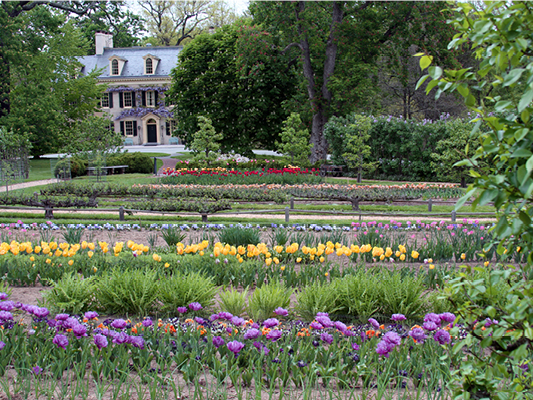
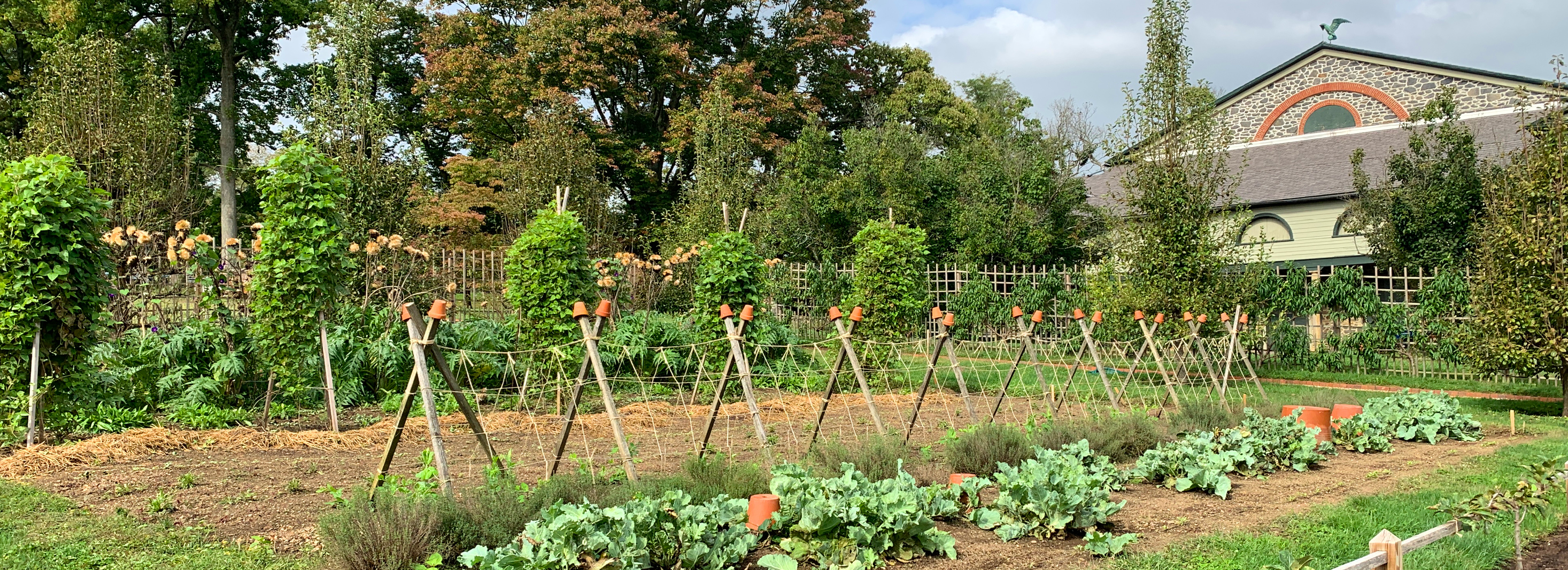
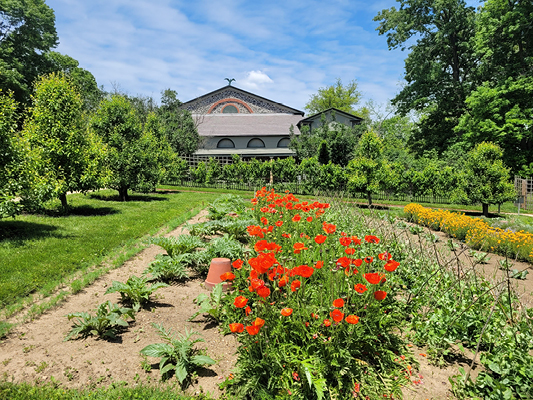
E.I. du Pont Garden - A formal French-style garden created by the founder of the DuPont Company. Explore heirloom fruits, vegetables, and flowers arranged for both beauty and productivity.

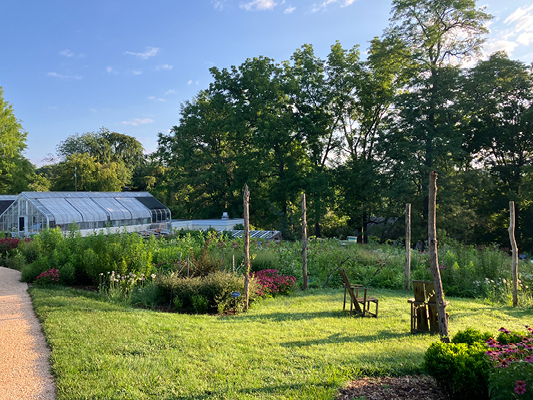
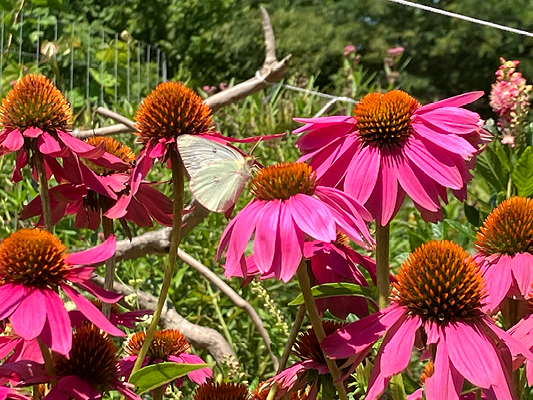
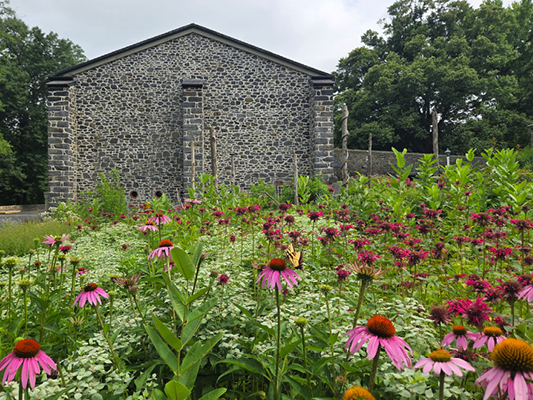
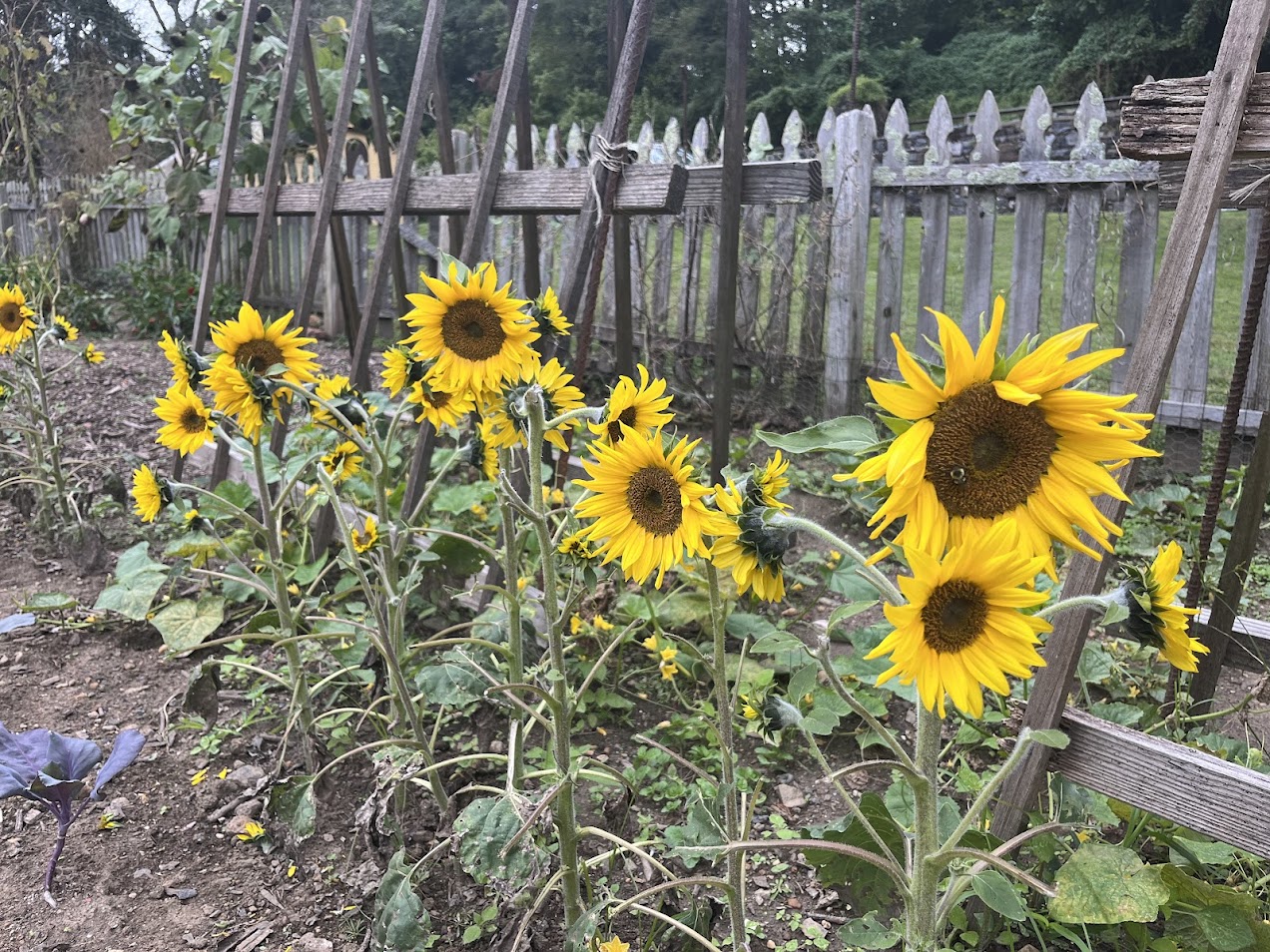
Pollinator Garden - A lively garden full of native plants that support bees, butterflies, and birds. See wildlife up close and immerse yourself in the beauty the natural world has to offer.

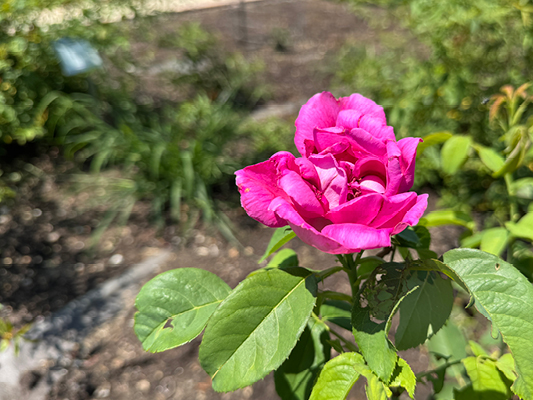
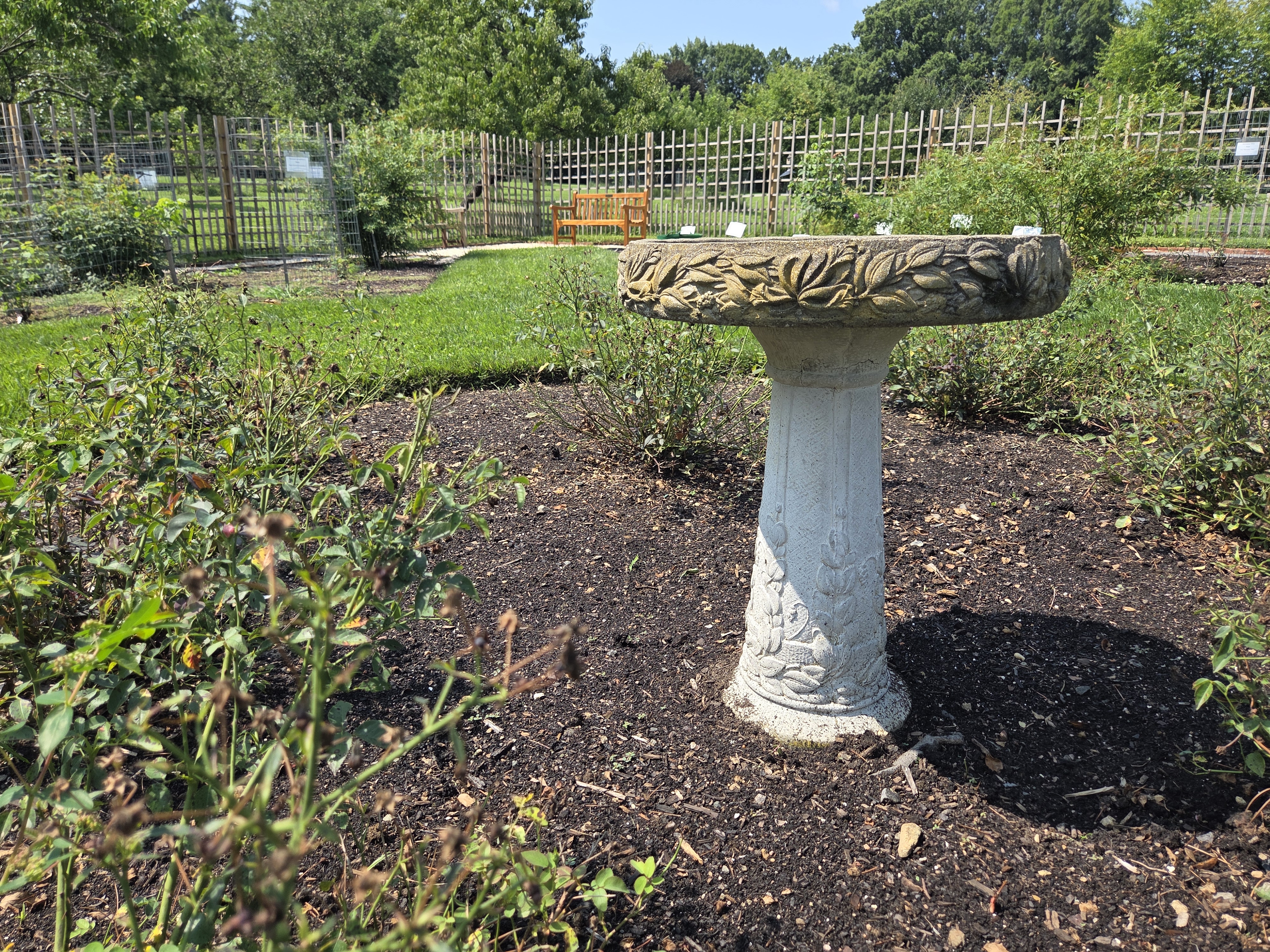
Rose Garden - A fragrant Victorian-style garden showcasing heirloom roses introduced before 1890. Enjoy the colors, forms, and scents that celebrate 19th-century horticultural elegance. 

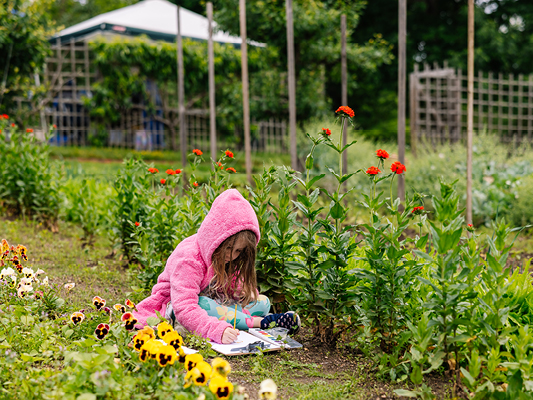
Workers’ Garden - A practical, hands-on garden honoring the immigrant workers of Hagley. Discover historic vegetables, herbs, and medicinal plants, and learn how gardens connected families and communities.

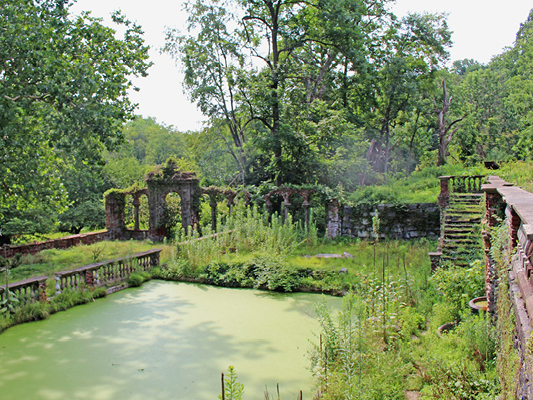
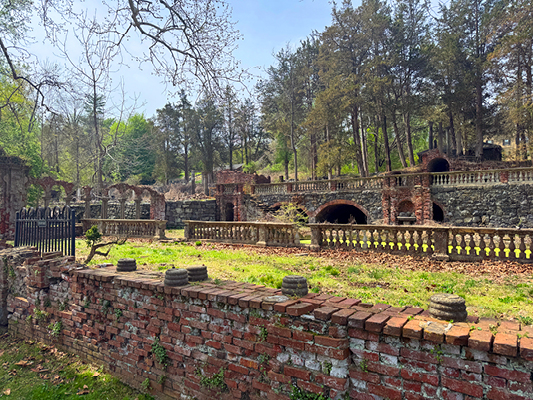
Crowninshield Garden - A Three-century Garden; Currently not open to the public. This one-of-a-kind Italianate Ruin Garden built on top of the original powder yards is in the early phases of repairs and revitalization. 

Scroll down to learn more about each garden.
Gardens at Hagley

E. I. du Pont Garden

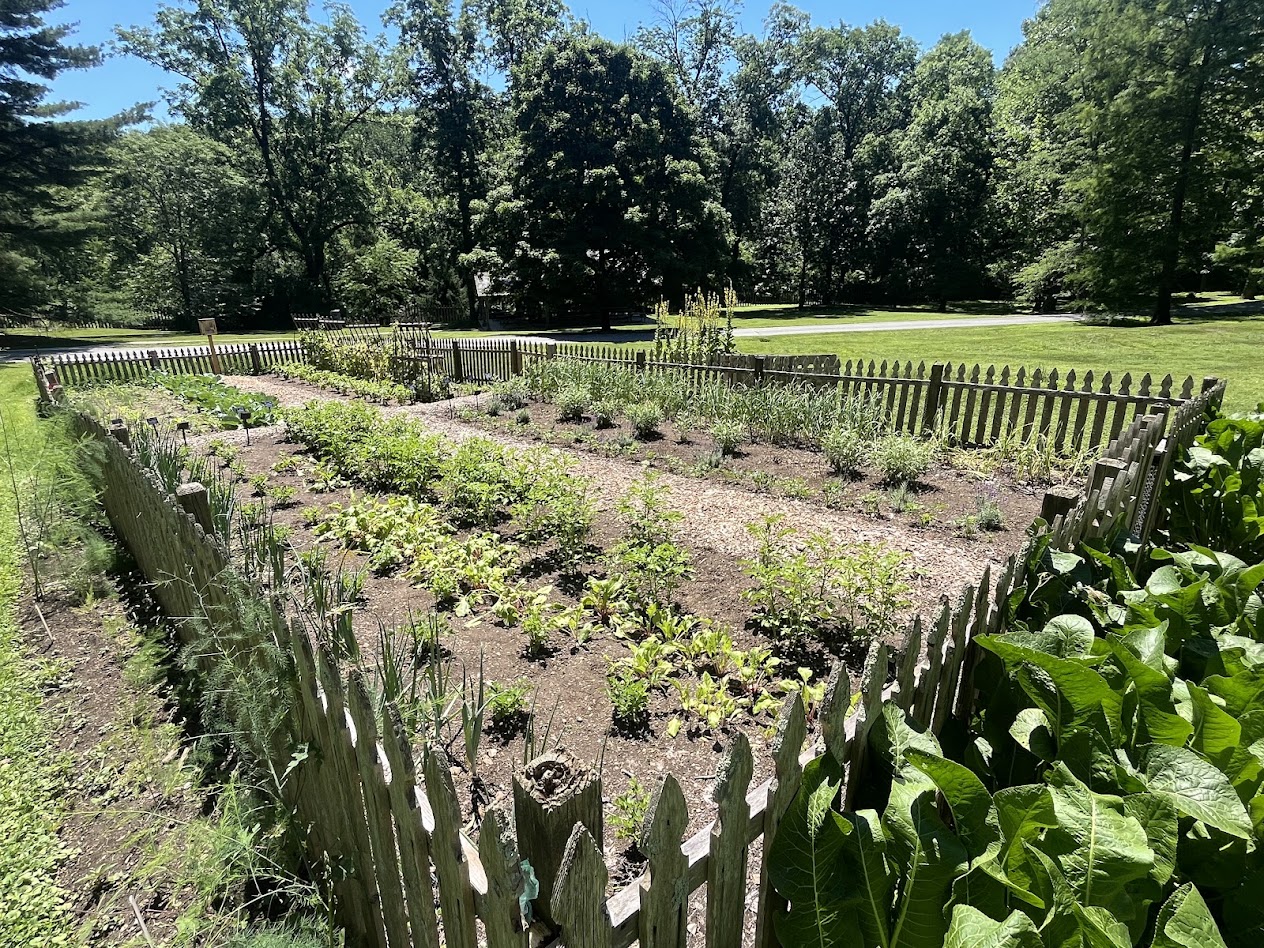
The E.I. du Pont (E.I.) Garden honors Eleuthère Irénée du Pont, founder of the DuPont Company and the original resident of the Hagley property. Located on the Upper Property near the historic Residence, this formal garden reflects E.I.’s interest in horticulture, science, and the productive landscape. Designed as a French-style potager, the garden blends beauty and utility, showcasing how food plants and ornamental plants were cultivated in the 19th century. Today, it serves as a living extension of Hagley’s mission to connect history, innovation, and the land. 

What You Can Do in This Garden 
•    Explore heirloom vegetables, flowers, and fruit trees grown using historic methods 
•    Join guided tours or enjoy a self-guided stroll through the Upper Property 
•    Observe creative pruning and ornamental vegetable gardening techniques 
•    Find seating areas for reflection and closer observation 

The E.I. du Pont Garden’s design follows the formal structure of a French potager. Potager literally means “for the soup pot” in French and is a style of kitchen garden defined by strong symmetry and the combination of vegetables, herbs, and flowers arranged in an artful way. Apple trees trained as stepover forms line the main paths, while espaliered fruit trees in fan shapes trace the perimeter fence, and en quenouille-trained pear trees define each quadrant, creating strong visual rhythm and structure throughout the growing season. These unique and highly technical pruning styles are not only beautiful. The techniques allow fruit trees to be grown in small spaces while increasing airflow and light access, which improves the health of the trees.

Plant selections emphasize vegetables, fruits, annuals, and perennials introduced before 1890, reflecting what would have been familiar during the du Pont family’s time at Eleutherian Mills. When original cultivars are no longer available or viable, carefully chosen modern equivalents are used to balance historical authenticity with horticultural resilience. The beds feature a combination of edible and ornamental plants organized in distinct rows.
The planting beds are maintained using exclusively organic practices, highlighting sustainable approaches to pest management, soil health, and plant care. Beyond interpretation, the garden contributes to the community through produce donations to local food pantries and partnerships that connect historic cultivation to contemporary sustainability efforts. Together, these elements invite visitors to see the garden not only as a preserved landscape, but as a source of inspiration for modern home gardening. 

Crop List for E.I. du Pont Garden and Rose Garden plants (PDF)
 

Rose Garden

The Rose Garden is a historically inspired landscape celebrating the ornamental horticulture of the 19th century and the legacy of E.I. du Pont’s family. Located on the Upper Property adjacent to the E.I. du Pont Garden, this formal garden showcases heirloom rose cultivars introduced before 1890. Its design and plant collection reflect a period when fragrance, form, and careful cultivation were highly valued. Together, these elements create a living display of horticultural heritage rarely seen in modern landscapes. 

What You Can Do in This Garden 
•    Experience the fragrance and form of heirloom roses in peak bloom 
•    Explore a formal Victorian-style garden layout 
•    Pause to sketch, read interpretive materials, or enjoy quiet reflection 
•    Learn about historic rose cultivation and preservation 

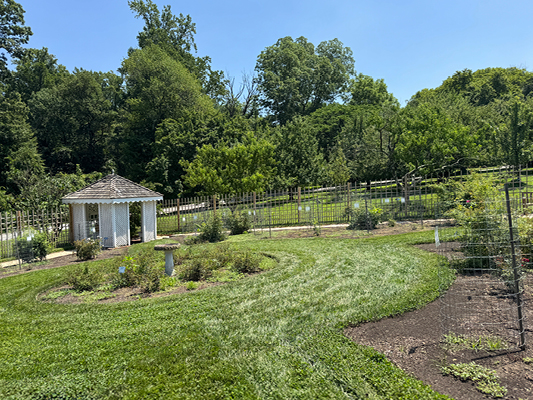
The Rose Garden’s layout follows a formal Victorian wheel-and-spoke design composed of five planting beds arranged around a central circular bed. At the heart of the garden, a white dwarf rose serves as a focal point, while four surrounding beds feature coordinated color themes ranging from soft light pinks to deeper rose tones, with a mixed palette of white, apricot, and green hues completing the composition. 
The garden’s plant collection centers on heirloom rose cultivars introduced prior to 1890, selected for their distinctive forms, strong fragrance, and cultural significance within 19th-century garden culture. Due to the historic nature of the plants and the exclusive use of organic controls within the beds, individual roses may show signs of pest pressure, reflecting the realities of historic rose cultivation.

Maintenance of the Rose Garden emphasizes environmental stewardship and historical authenticity. Organic practices and integrated pest management are used to promote plant health while minimizing impacts on soil, pollinators, and surrounding ecosystems. Partnerships with Wyck Historic House and Garden support the propagation and preservation of rare rose cultivars, strengthening the garden’s role in conservation and education. Together, the design, plant collection, and management approach invite visitors to slow down, engage their senses, and experience the beauty and character of 19th-century roses in a contemplative setting.

Crop List for E.I. du Pont Garden and Rose Garden plants (PDF)
 

Pollinator Garden

The Pollinator Garden is a vibrant and welcoming landscape designed to spark curiosity and appreciation for plants, insects, and the ecological systems that connect them. Located on the Upper Property behind the Bus Stop near the Greenhouse complex, the garden offers an accessible introduction to ecological gardening for visitors of all ages. Through colorful plantings and thoughtful design, it demonstrates how gardens can support wildlife while remaining beautiful and engaging. The garden also reflects E.I. du Pont’s interest in physiocracy, a movement in the 18th and 19th centuries emphasizing responsible land stewardship and sustainability. 

What You Can Do in This Garden 
•    Explore colorful native plants that support pollinators and wildlife 
•    Observe birds, butterflies, and insects up close 
•    Relax in seating areas designed for rest and observation 
•    Borrow a free Activity Kit from the Bus Stop to for a more in-depth garden experience
•    Check out the Little Free Seed Library 

Pollinator gardens provide respites for many pollinators migrating from one location to the next throughout the year. The Pollinator Garden highlights native plants suited to the mid-Atlantic region, chosen not only for nectar and pollen production but also for their ability to provide food, shelter, and nesting habitat. Woody plants offer fruit and roosting opportunities, while milkweed and other host plants support insects throughout their life cycles. Hollow-stemmed and clump-forming plants accommodate ground and stem-nesting pollinators.  

Our Pollinator Garden finds the balance between a “wild” space and traditional gardening, showing visitors that they can create their own native space at home while maintaining a more traditionally polished garden space. Maintained using organic practices, the Pollinator Garden models ecologically responsible stewardship. Management strategies include leaving stems and decaying wood for habitat, providing water sources, and ensuring year-round food availability for wildlife. The garden also supports national citizen science initiatives, including Bluebird Box and Monarch monitoring projects, connecting visitors and volunteers to broader conservation efforts. Together, these elements reinforce the message that individual actions-whether in large gardens or small spaces-can collectively make a meaningful difference for the environment. 

Seasonal Plant List and Growing Details
 

Workers’ Garden

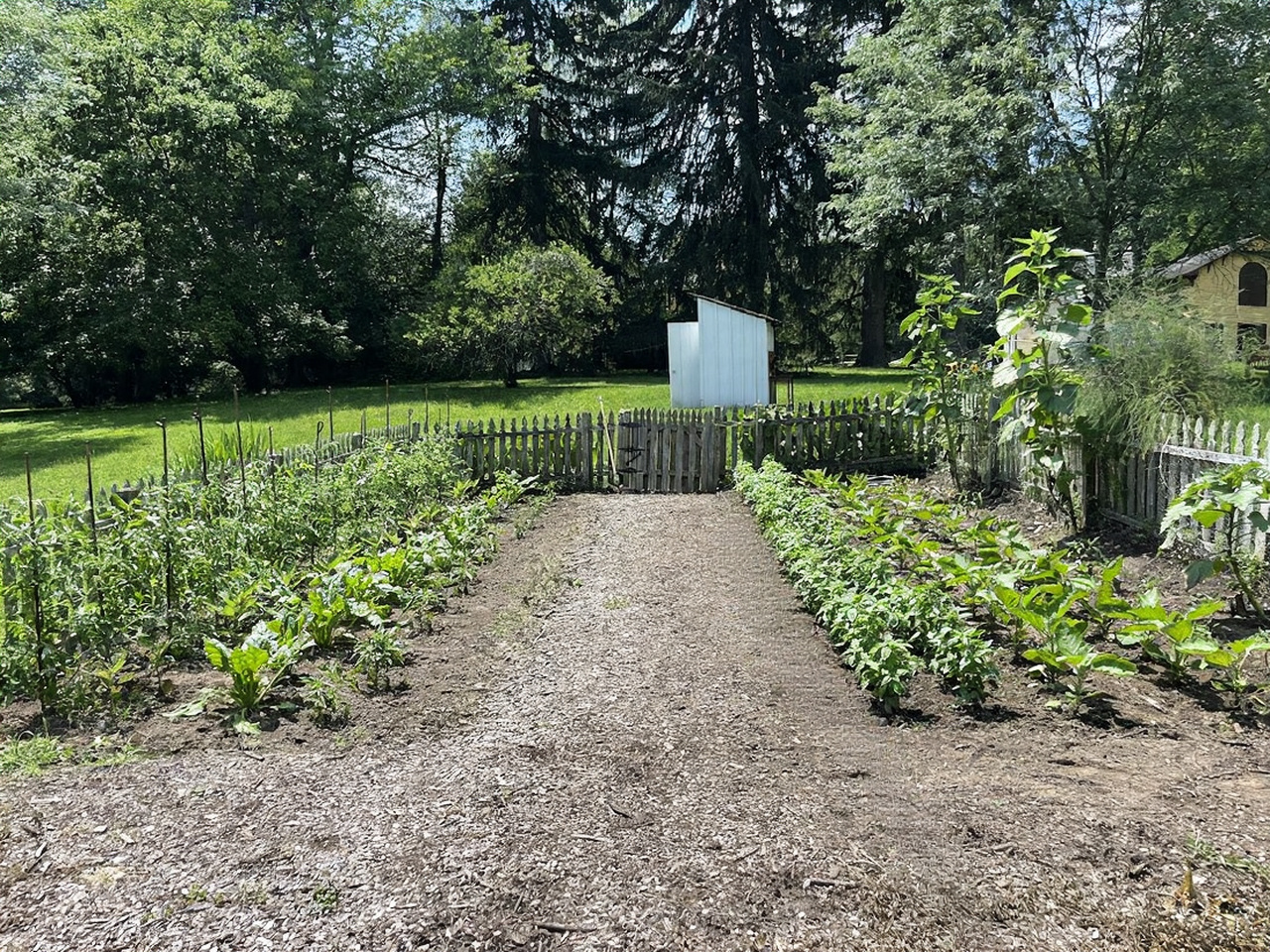
The Workers’ Garden honors the 19th-century powder yard workers who lived and gardened at Hagley, primarily from Irish and later Italian immigrant communities. Located on Workers’ Hill, this garden reflects the daily lives, resilience, and cultural traditions of the families who supported gunpowder manufacturing through their labor. Unlike the estate’s formal gardens, the Workers’ Garden emphasizes practicality, subsistence, and resourcefulness. It offers a powerful reminder of how gardening connected families to food, medicine, and one another. 

What You Can Do in This Garden 
•    Explore heirloom vegetables, herbs, and medicinal plants grown using historic methods 
•    Learn about immigrant food traditions and everyday life in the powder yard 
•    Engage your senses through touch and scent 
•    Discover how small gardens can support families and communities 

The Workers’ Garden is situated on Workers’ Hill, across from the Gibbons House and behind the Belin House. Enclosed by a low fence, the garden occupies a lively area frequently visited by school groups, creating opportunities for hands-on learning and historical connection. Its location and modest scale reflect the realities of workers’ lives, where gardens were essential spaces for food production and household care.

The garden’s design is intentionally informal and practical. This approach allows visitors to easily recognize gardening techniques that remain familiar and relevant today. 

Plant selections focus on pre-1890 vegetables, culinary herbs, and medicinal plants commonly used by Irish and Italian immigrant families. Crops are grown from seed, either direct-sown or started in the greenhouse, and future seed-saving practices reflect both historical accuracy and sustainability. Maintained using organic methods, integrated pest management, and on-site composting, the garden follows a seasonal planting cycle from spring through fall. Harvested produce is donated to a local food pantry, extending the garden’s impact beyond interpretation and reinforcing its role as a space of nourishment, education, and community connection. 
 

Crowninshield Garden

The Crowninshield Garden at Hagley Museum and Library is named for its designers:  Louise du Pont Crowninshield and her husband, Francis (“Frank”) Boardman Crowninshield.  The Crowninshields were the last residents of the du Pont family home at Eleutherian Mills—part of Hagley Museum since 1958.

The garden is off-limits to the public for safety reasons associated with the garden’s current condition. Though closed to the public, limited portions of the garden are visible from various vantage points during a visit to Hagley Museum. It can be viewed from a safe distance during the historic home and garden tour and from the shuttles provided for connection between the two ends of Hagley’s 235-acre property.

Louise and Frank Crowninshield began designing the garden in the 1920s, after Louise’s father, Henry Algernon du Pont, bought Eleutherian Mills (the area encompassing the historic home and garden) from the DuPont Company in 1923.  He envisioned the restoration of the family home and surrounding areas as a father-daughter project to preserve this important part of Delaware history with connections to broader American and global stories.

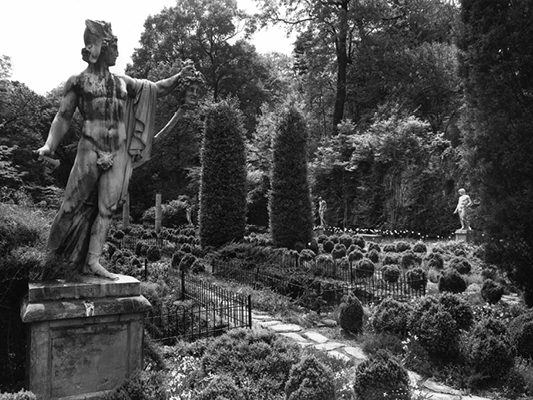
In their garden, the Crowninshields attempted to recreate sale replicas of architectural features they had seen on their travels in Rome. It was intentionally designed to appear aged and worn by time. Features included extensive statuary—much of which is still housed in Hagley Museum collections—colonnades, Italianate pools, and layers of terraces.

Incorporated in the design are 19th-century refining kettles. These massive, metal bowls were used to refine—or purify—saltpeter for the production of gunpowder and other explosives. These refining kettles reveal the deeper layers of the garden’s history. Like the rest of Hagley Museum and Library, the Crowninshield Garden sits on land that was part of the Dupont Company’s black powder factory system. That company was founded in 1802 by Louise du Pont Crowninshield’s great-grandfather, Éleuthère Irénée du Pont.

The Crowninshield Garden is unique among American garden landscapes. In its current form, it is a maintained ruin of a 1920s ruin garden, built on top of the industrial ruins of a 19th century gun powder factory. It is a ruin within a ruin within a ruin.

Public tours, group tours, and other experiences are currently off limits to the public until further stabilization and restoration are completed. 

To learn more about the garden restoration, click here.