Image
Panoramic photograph of women from DuPont Village at the community's bathing beach.

The long holiday weekend may be over, but let's sneak in just a little more time at the beach. This ca. 1916 panoramic photograph shows residents of DuPont Village at the community's bathing beach in Carney's Point, New Jersey. 

The DuPont Company purchased the land for a smokeless powder plant at Carney's Point, New Jersey in 1890. In 1892, it began producing guncotton and the first smokeless powder. The plant grew in response to demand from the Spanish-American War, but really boomed during World War I. The thousands of workers employed there at the time were provided with company housing in a workers' village. The plant continued production into the early 1970s, when it was abandoned and dismantled.

Sometimes, when processing archival collections, you open a box and discover a delightful surprise! I recently had that fortunate experience while working with some new acquisitions. Several albums given to Hagley Library contained an array of illustrated envelopes covered with colorful stamps that were immediately intriguing.

Sears began in 1886 when Richard Warren Sears started a mail order watch business. By 1887, he had partnered with Alvah Curtis Roebuck, a watch repairman, to form Sears and Roebuck. Their first mail order catalog was issued in 1888. Over the years, the Sears “Big Book” catalogs grew to be over 1,000 pages, selling everything from tools to appliances to home goods, farm equipment, and even mail order houses.

As we head into fall (and hopefully cooler weather), perhaps you're thinking of adding a few new items to your wardrobe. If we were living in 1970, you could take a hint from the following DuPont film and consider one of the fall-inspired designs made from Qiana fabric:

Welcome back to another Hagley Staff Favorites article! Every quarter, we share stories from our collections staff, giving you the opportunity to hear from the experts, the people who first lay hands on our archives and objects, about the items that made a mark. Maybe you'll find something new to investigate.

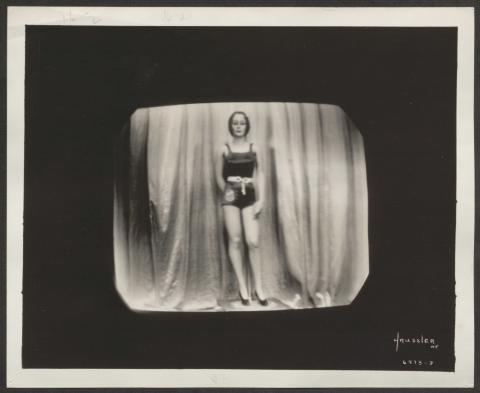
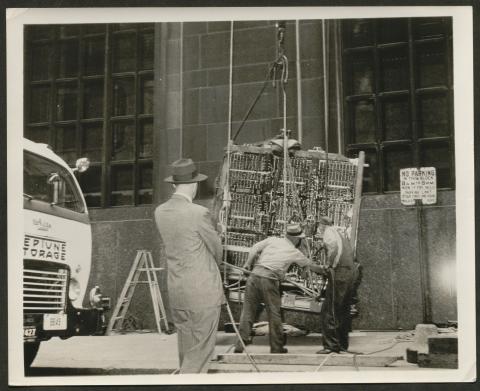
This quarter's Staff Favorites interviewee is Doug McQuirter, Reference Archivist at the Hagley Library, speaking about the David Sarnoff Library collections.

In the years after World War II, as women were being pushed from wartime jobs for returning soldiers, government and business leaders—and women themselves—saw small business ownership as a viable economic solution. In just five years, US women owned nearly a million of the nation’s businesses.

Image
Street scene of a protest with women wearing signs reading "Strike Now - Live Later" and "We all must change."

This week's Hagley Vault post is sourced from our collection of National Association of Manufacturers photographs and audiovisual materials (Accession 1973.418) and documents a November 1962 protest against the trade association.

In the years after World War II, NAM encouraged its membership to participate in the growing military-industrial complex through initiatives like the National Defense Committee. By the 1960s, as public opposition to the Vietnam War and Cold War interventionism grew, anti-war protesters like the ones shown in this photograph criticized this position, and encouraged boycotts of major manufacturers with substantial public contracts with the Department of Defense, like General Electric, DuPont, Kodak, Eveready, Pyrex, and others.

Subscribe to